Artwork Criteria
Not sure if your design will work for embroidery or printing? We take your artwork and make it production-ready, but understanding a few basics will help you get the best possible result.
Vector vs Raster Artwork
Raster Artwork (Used for Printing)
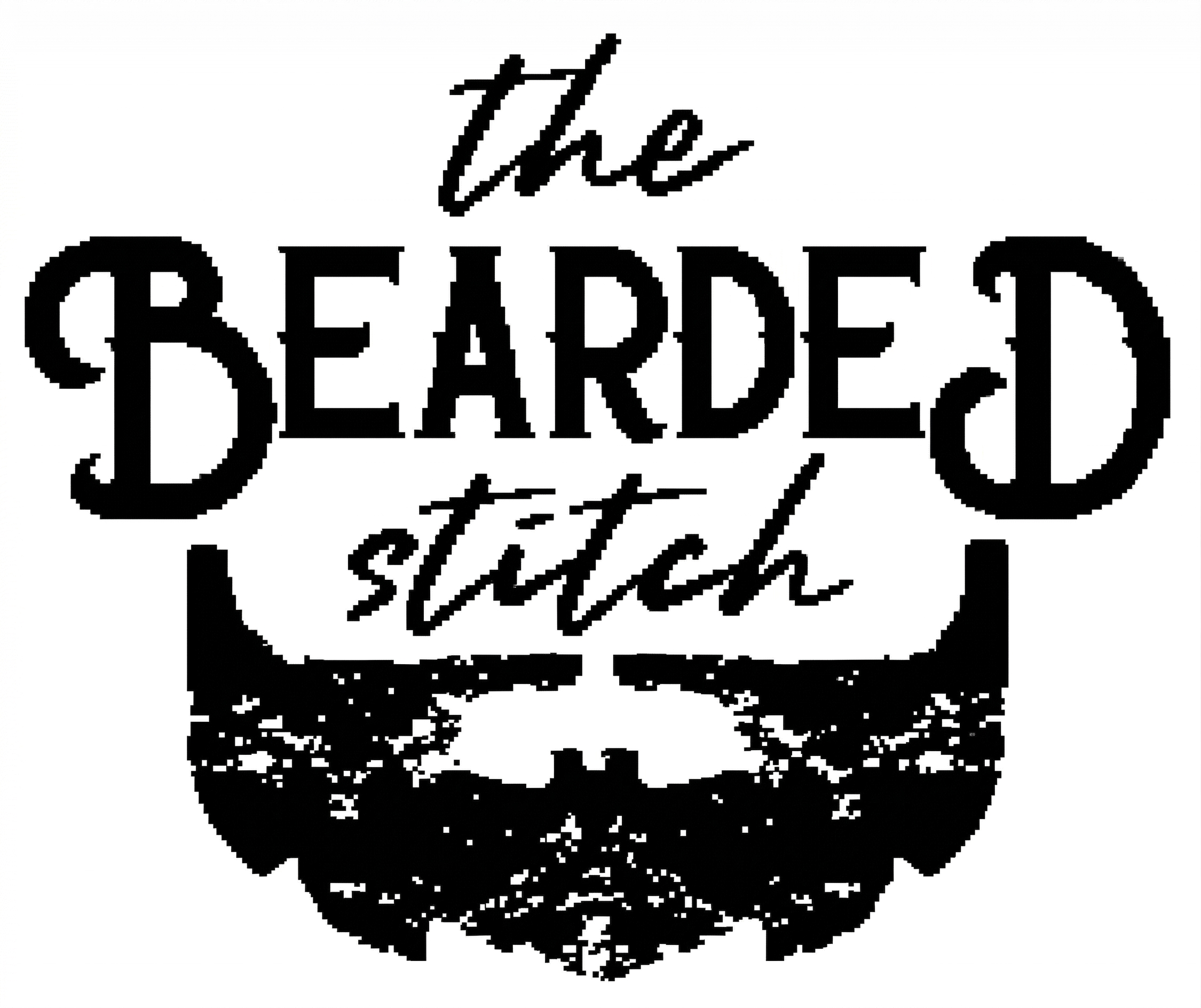
Raster images are made of pixels and can lose quality when resized. These are commonly sent by customers and can still work for printing if the quality is high enough.
Common raster file types:
Vector Artwork (Best for Embroidery)
Vector files are clean, scalable designs that don’t lose quality when resized. These are required for embroidery because machines need precise paths to stitch your design.
Common vector file types:
We’ll Fix Your Artwork
Most artwork we receive isn’t perfect—and that’s normal. We can clean up, recreate, vectorize, and digitize your design so it looks professional. Send us your design and we’ll review it for free.
Embroidery Requirements
Embroidery designs must go through two key steps before production. First, your artwork is vectorized, meaning it is converted into a clean, scalable format that does not lose quality when resized. Then it is digitized, which translates the design into stitch instructions that embroidery machines can read. This process ensures your design comes out sharp, accurate, and consistent on the final product.
Printing & Image Quality (PPI)
Printing uses raster images, but the final quality depends heavily on resolution. PPI (pixels per inch) determines how sharp your design will appear at its actual print size—higher PPI results in a clean, crisp print, while lower PPI can lead to blurry or pixelated results. For best outcomes, we recommend designing at around 300 PPI at the intended print size.
For the best results: